
Across the global industrial landscape, enormous amounts of energy are consumed every day to power manufacturing plants, data centers, production facilities, and large-scale service operations. Yet, a significant portion of that energy never gets used for its intended purpose. Instead, it is lost as waste heat—thermal energy released into the environment through exhaust gases, cooling systems, machinery friction, and chemical processes.
Waste heat recovery (WHR) is the practice of capturing this otherwise lost energy and reusing it for productive purposes such as space heating, electricity generation, or improving process efficiency. As industries face rising energy costs, stricter environmental regulations, and increasing pressure to reduce carbon emissions, WHR has become a critical component of modern industrial strategy.
This article explores how waste heat is generated, the technologies used to recover it, and how multi-million-dollar industries—including manufacturing, digital media infrastructure, and even porno production environments—can benefit from reclaiming this overlooked energy source.
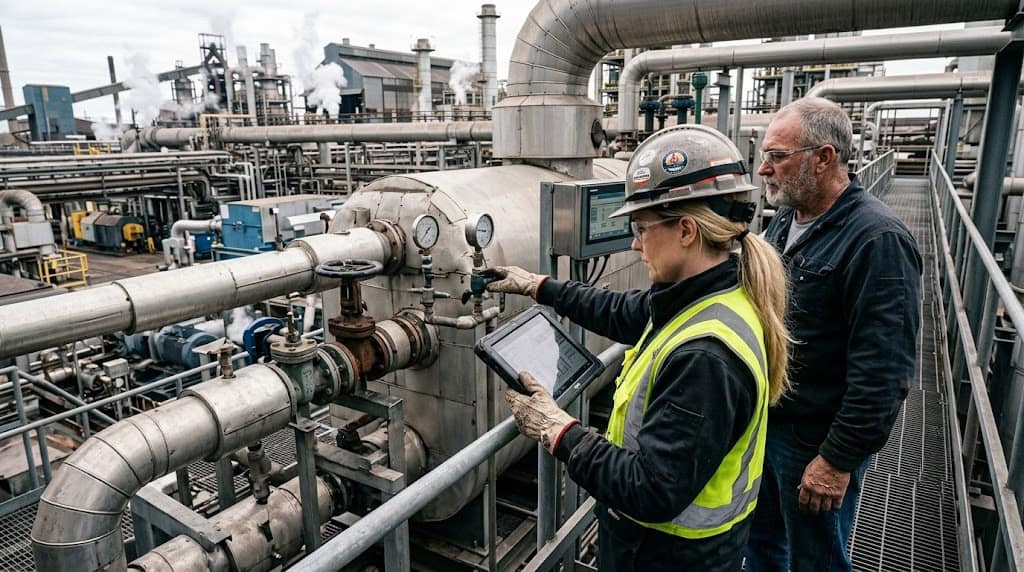
What Is Waste Heat and Why Does It Matter?
Waste heat refers to thermal energy produced by machines, chemical reactions, or electrical systems that is not captured or reused. It is typically released into the atmosphere or cooling water systems.
Common Sources of Waste Heat
- Exhaust gases from combustion engines and turbines
- Industrial furnaces and kilns
- Data center server racks
- Cooling systems and chillers
- Compressors and refrigeration systems
- Manufacturing machinery friction
- High-intensity lighting systems used in production environments
In many large-scale operations, up to 20–60% of input energy is lost as waste heat. This inefficiency translates into higher operational costs and unnecessary environmental impact.
The Science Behind Heat Loss in Industry
Energy in industrial systems follows the laws of thermodynamics, particularly the second law, which states that energy conversions are never 100% efficient. During conversion from fuel or electricity into mechanical work, some energy is always dissipated as heat.
Where the Energy Goes
When a system operates:
- Fuel or electricity is input
- Mechanical or chemical processes are performed
- Useful work is extracted
- Excess energy becomes heat
- Heat disperses into the environment unless captured
In large industrial operations, this heat is often carried away by air ventilation systems, cooling water loops, or exhaust stacks.
Waste Heat Recovery Systems: How They Work
Waste heat recovery systems are designed to capture thermal energy from industrial processes and reuse it in a productive way.
Key Technologies Used in WHR
1. Heat Exchangers
Heat exchangers transfer thermal energy from hot exhaust gases or liquids to a secondary medium, such as water or air, without mixing them.
2. Waste Heat Boilers
These systems convert heat from exhaust gases into steam, which can be used for power generation or heating.
3. Organic Rankine Cycle (ORC) Systems
ORC systems use organic fluids with low boiling points to generate electricity from low-to-medium temperature heat sources.
4. Thermal Storage Systems
Excess heat is stored in materials like molten salts or phase-change materials for later use.
5. Heat Pumps
Heat pumps upgrade low-grade waste heat into higher-temperature energy suitable for industrial processes.
Major Industries That Benefit from Waste Heat Recovery
1. Steel and Metal Production
Steel manufacturing is one of the most energy-intensive industries in the world. Blast furnaces and smelters produce massive amounts of high-temperature waste gases.
WHR systems in this sector:
- Capture furnace exhaust heat
- Generate steam for turbines
- Preheat raw materials
- Reduce fuel consumption significantly
Energy savings in steel plants can reach 20–30% with effective heat recovery systems.
2. Cement Manufacturing
Cement kilns operate at extremely high temperatures, often exceeding 1,400°C. A large portion of this heat exits through kiln exhaust.
Waste heat recovery applications include:
- Power generation from kiln exhaust gases
- Preheating raw limestone and clay
- Reducing reliance on grid electricity
This industry is one of the largest adopters of WHR technology due to its high energy intensity.
3. Oil and Gas Refineries
Refineries process crude oil into usable fuels through distillation, cracking, and reforming processes—all of which generate excess heat.
WHR systems in refineries:
- Capture heat from flue gases
- Improve distillation efficiency
- Provide process steam
- Reduce fuel consumption in heaters
4. Data Centers and Digital Infrastructure
Modern data centers consume vast amounts of electricity to power servers and cooling systems. Nearly all of that energy eventually becomes heat.
Waste heat recovery strategies include:
- Heating nearby office buildings or residential complexes
- Supporting district heating networks
- Improving internal cooling efficiency
- Using liquid cooling systems to capture heat directly
In colder climates, data centers are increasingly designed as dual-purpose facilities: computing hubs and thermal energy providers.
5. Food Processing and Manufacturing
Food production facilities use ovens, boilers, dryers, and refrigeration systems that generate continuous heat streams.
WHR applications include:
- Preheating water for cleaning systems
- Heating production spaces
- Improving drying processes
- Reducing refrigeration energy loads
Case Study Example: Adult Entertainment Production Industry
Large-scale adult entertainment production—often operating within multi-million-dollar media companies—represents a surprising but relevant example of where waste heat recovery concepts can apply. While the industry is primarily digital and studio-based, its infrastructure shares many characteristics with other media production environments.
Where Waste Heat Is Generated
Even though the content is not industrial in the traditional sense, production facilities still consume substantial energy through:
- High-powered studio lighting rigs
- Professional-grade camera and recording equipment
- Climate control systems for soundstages
- Server rooms for digital storage and streaming
- Post-production editing suites with heavy computing loads
All of these systems generate continuous heat during operation.
Potential Waste Heat Recovery Opportunities
1. Studio Lighting Heat Capture
High-intensity lighting systems generate significant thermal output. Heat recovery ventilation systems (HRVs) can capture and redirect this heat to:
- Warm adjacent office spaces
- Preheat water systems
- Reduce HVAC loads
2. Server and Storage Facility Cooling
Digital distribution platforms require server infrastructure that operates 24/7.
WHR strategies include:
- Liquid cooling systems that capture heat directly from processors
- Reusing heat for building climate control
- Integrating with district heating networks in urban production hubs
3. HVAC Optimization in Production Studios
Studios require tightly controlled environments. Heat recovery ventilators can:
- Transfer heat between incoming and outgoing air streams
- Reduce energy costs for heating and cooling balance
- Improve indoor climate stability during long production sessions
Why This Industry Matters in WHR Discussions
While often overlooked in engineering literature, the adult entertainment production sector demonstrates how even non-industrial environments can benefit from energy efficiency systems. Its relevance lies not in the content it produces but in its operational infrastructure, which mirrors other high-energy media production ecosystems such as film studios and streaming production facilities.
Economic Benefits of Waste Heat Recovery
The financial advantages of WHR systems are substantial, particularly for multi-million-dollar industries where energy costs represent a significant portion of operational budgets.
Cost Savings
- Reduced fuel consumption
- Lower electricity bills
- Improved process efficiency
- Decreased cooling system loads
Return on Investment (ROI)
Although WHR systems require upfront capital investment, many industrial installations achieve ROI within 2–5 years depending on scale and energy prices.
Revenue Generation
Some systems allow companies to:
- Sell excess recovered energy back to the grid
- Provide district heating services
- Offset carbon taxes or emissions penalties
Environmental Impact and Sustainability
Waste heat recovery plays a major role in reducing global carbon emissions. By improving energy efficiency, industries can significantly reduce their environmental footprint.
Key Environmental Benefits
- Lower greenhouse gas emissions
- Reduced fossil fuel dependency
- Improved energy efficiency
- Less thermal pollution in ecosystems
As governments implement stricter climate regulations, WHR is becoming not just a cost-saving measure but a compliance requirement in many regions.
Challenges in Implementing Waste Heat Recovery
Despite its benefits, WHR adoption faces several challenges:
High Initial Costs
Installing heat exchangers, ORC systems, and infrastructure upgrades requires significant capital investment.
Technical Limitations
Not all waste heat is easily recoverable, especially low-temperature heat streams.
Integration Complexity
Retrofitting existing facilities can be complex and disruptive.
Maintenance Requirements
WHR systems require ongoing maintenance to remain efficient and safe.
Future of Waste Heat Recovery Technology
The future of WHR is closely tied to advancements in energy systems, materials science, and automation.
Emerging Trends
- AI-driven energy optimization systems
- Advanced nanomaterial heat exchangers
- Modular micro-ORC generators
- Integration with renewable energy systems
- Smart grid-compatible industrial energy sharing
As industries move toward net-zero targets, WHR will become a standard feature rather than an optional upgrade.
Conclusion
Waste heat recovery represents one of the most practical and immediate opportunities for improving industrial efficiency across multi-million-dollar sectors. From heavy industries like steel and cement to digital infrastructure and media production environments, enormous amounts of energy are lost every day in the form of heat.
By capturing and reusing this energy, companies can reduce costs, improve sustainability, and enhance operational performance. Even unconventional environments—such as large-scale production studios in the adult entertainment industry—demonstrate that WHR principles are broadly applicable wherever energy is consumed and heat is generated.
As global energy demands continue to rise, the ability to recover and reuse waste heat will become not just an efficiency strategy, but a fundamental pillar of modern industrial design.