
As energy prices fluctuate and concerns about climate change grow, homeowners are increasingly looking for ways to take control of their electricity usage. Solar panels have already transformed rooftops around the world, but there’s still a missing piece in the puzzle of true energy independence: home battery storage.
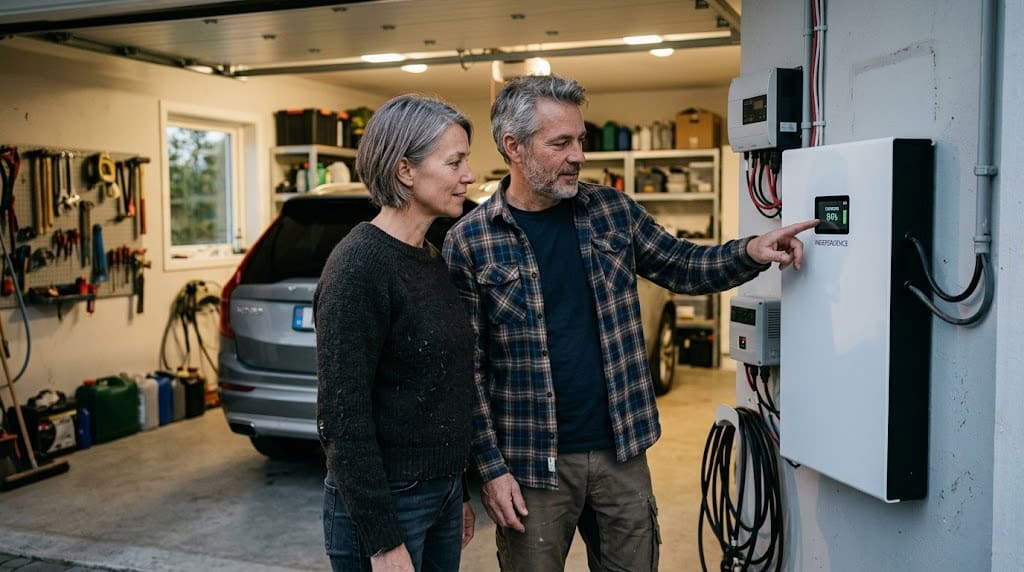
While solar panels generate clean electricity during the day, they don’t solve the problem of nighttime usage or cloudy days. This is where residential battery systems—especially lithium-ion batteries—come in. They store excess energy for later use, bridging the gap between production and demand.
In this article, we’ll explore how home battery storage works, how it pairs with renewable energy systems, and what homeowners should consider before investing, including cost, lifespan, safety, and return on investment.
What Is Home Battery Storage?
Home battery storage refers to rechargeable energy storage systems installed in residential properties. These systems store electricity—usually generated from solar panels or the grid—and release it when needed.
Most modern systems use lithium-ion battery technology, similar to what powers smartphones and electric vehicles, but scaled up for household energy needs.
Key Components of a Home Battery System
A typical home battery setup includes:
- Battery unit – stores electrical energy
- Inverter – converts stored DC electricity into AC power for home use
- Battery management system (BMS) – ensures safe charging and discharging
- Monitoring software – tracks energy usage and system performance
These components work together to ensure energy is stored efficiently and delivered safely when required.
How Home Batteries Store and Deliver Energy
At its core, home battery storage operates on a simple principle: store excess electricity when it’s available and use it when it’s not.
Step 1: Energy Generation or Grid Charging
Electricity is generated through solar panels or drawn from the grid during off-peak hours when prices are lower.
Step 2: Energy Storage
Instead of sending all unused electricity back to the grid, the system stores it in lithium-ion cells. These batteries store energy chemically until it is needed.
Step 3: Energy Discharge
When solar production drops or energy demand increases, the system releases stored electricity to power the home.
This cycle allows homeowners to maximize self-consumption and reduce dependence on external power sources.
How Home Batteries Pair with Renewable Energy
Home battery storage is most powerful when paired with renewable energy systems, especially solar photovoltaic (PV) panels.
Solar + Battery = Energy Independence
Without a battery, excess solar energy is often exported to the grid. With a battery, that same energy is stored for later use, such as:
- Nighttime electricity consumption
- Cloudy or rainy days
- Peak demand hours when electricity is more expensive
This pairing transforms a solar-powered home from a partially self-sufficient system into a highly resilient microgrid.
Wind and Hybrid Systems
While solar is the most common pairing, batteries can also work with:
- Small residential wind turbines
- Hybrid solar-wind systems
- Backup grid charging systems
This flexibility makes battery storage a cornerstone of modern decentralized energy systems.
Benefits of Home Battery Storage
Home battery storage offers a range of practical and financial benefits that go beyond simple energy savings.
1. Energy Independence
One of the biggest advantages is reduced reliance on the electrical grid. Homeowners can generate and store their own power, making them less vulnerable to outages and price increases.
2. Lower Electricity Bills
By storing energy during low-cost periods or peak solar production, households can reduce or eliminate expensive peak-hour electricity usage.
3. Backup Power During Outages
In areas prone to blackouts or extreme weather events, batteries provide critical backup power for essential appliances like refrigerators, lights, and medical equipment.
4. Environmental Benefits
Using stored renewable energy reduces reliance on fossil fuel-based grid electricity, lowering carbon emissions and environmental impact.
5. Smart Energy Management
Modern systems include intelligent software that optimizes when to store or use electricity based on consumption patterns and utility pricing.
Cost of Home Battery Systems
One of the most important considerations for homeowners is cost.
Initial Purchase and Installation
A typical residential lithium-ion battery system can cost:
- Small systems (5 kWh): €3,000 – €6,000
- Medium systems (10 kWh): €6,000 – €12,000
- Large systems (15–20 kWh): €10,000 – €18,000+
Installation costs may add several thousand euros depending on electrical upgrades and labor requirements.
Factors That Influence Cost
- Battery capacity (kWh)
- Brand and technology
- Inverter compatibility
- Installation complexity
- Local incentives or subsidies
While the upfront cost is significant, long-term savings can offset the investment over time.
Lifespan and Performance of Lithium-Ion Batteries
Lithium-ion batteries dominate the residential storage market due to their efficiency and durability.
Typical Lifespan
Most home batteries last:
- 10 to 15 years
- Around 3,000 to 6,000 charge cycles
A charge cycle refers to one full charge and discharge cycle, though partial cycles also count proportionally.
Capacity Degradation
Over time, batteries gradually lose capacity. For example:
- Year 1–5: minimal degradation
- Year 6–10: moderate reduction in storage capacity
- Year 10+: noticeable decline, depending on usage and conditions
Manufacturers typically guarantee a certain percentage of capacity retention (often 60–80%) after 10 years.
Safety Considerations
Safety is a key concern when dealing with high-capacity electrical storage systems.
Built-in Safety Features
Modern home batteries include multiple safety mechanisms:
- Battery management systems (BMS)
- Temperature regulation
- Overcharge and discharge protection
- Fire-resistant enclosures
Installation Safety
Proper installation by certified professionals is essential. Poor installation can increase risks such as overheating or electrical faults.
Thermal Runaway Risk
While rare, lithium-ion batteries can experience thermal runaway if damaged or improperly managed. However, modern systems are designed to minimize this risk through advanced monitoring and chemistry improvements.
Return on Investment (ROI)
The financial viability of home battery storage depends on several factors, including energy prices, usage patterns, and system size.
How Savings Are Generated
Homeowners save money through:
- Reduced grid electricity consumption
- Avoidance of peak-time electricity rates
- Maximized solar energy usage
- Participation in energy trading or grid services (in some regions)
Payback Period
Typical payback periods range from:
- 7 to 15 years, depending on location and energy costs
Higher electricity prices and strong solar production can significantly shorten this timeline.
When ROI Is Strongest
Home batteries offer the best ROI when:
- Electricity prices are high
- Time-of-use tariffs are in place
- Solar production is strong
- Government incentives are available
Key Factors Homeowners Should Consider
Before investing in a home battery system, it’s important to evaluate several practical factors.
1. Energy Consumption Patterns
Understanding how much electricity your household uses daily helps determine the right battery size.
2. Solar Panel Compatibility
Not all systems integrate seamlessly with every solar inverter or setup. Compatibility is crucial for efficiency.
3. Battery Capacity
Oversizing or undersizing can reduce financial benefits. A properly sized system balances cost and performance.
4. Warranty and Support
Most manufacturers offer warranties of 8–12 years. It’s important to understand what is covered.
5. Local Incentives
Some regions offer subsidies, tax credits, or rebates that significantly reduce upfront costs.
The Role of Home Batteries in the Energy Future
Home battery storage is not just a trend—it’s a fundamental shift in how energy is produced and consumed.
Decentralized Energy Systems
Instead of relying solely on centralized power plants, homes become mini power stations capable of generating, storing, and sharing energy.
Grid Stability Support
Batteries can help stabilize the grid by reducing peak demand and storing excess renewable energy.
Integration with Smart Homes
As smart home technology advances, batteries will increasingly interact with:
- Electric vehicles (EVs)
- Smart appliances
- AI-driven energy management systems
This creates fully automated energy ecosystems.
Challenges and Limitations
Despite their benefits, home battery systems still face challenges.
High Upfront Costs
Initial investment remains a barrier for many households.
Limited Storage Capacity
Even large residential systems cannot power an entire home indefinitely without recharging.
Environmental Impact of Production
Battery manufacturing requires mining and energy-intensive processes, though lifecycle emissions are still lower than fossil fuels.
Conclusion
Home battery storage represents a crucial step toward modern energy independence. When combined with renewable energy systems like solar panels, it enables homeowners to store excess power, reduce reliance on the grid, and lower long-term electricity costs.
While challenges such as upfront costs and limited storage capacity still exist, advancements in lithium-ion technology, declining prices, and increasing energy demands are making residential batteries more practical and accessible than ever.
For homeowners seeking resilience, sustainability, and long-term savings, home battery storage is no longer a futuristic concept—it is quickly becoming an essential part of the modern home energy ecosystem.